Architectural Slowcraft in the Julian Alps: Stone and Timber Alive

Today we wander through Architectural Slowcraft: Stone Masonry and Timber Framing in Julian Alps villages, tracing how limestone ledges, larch forests, snow loads, and patient hands shape houses that breathe. Expect practical detail, lived stories, and respectful curiosity, from lime slaking to pegged joints, stone roofs to shingle songs, inviting you to notice textures, listen to tools, and share your questions, memories, sketches, and hopes with a growing circle of caretakers.

Mountains Teach the Hand: Landscape, Materials, and Patience

High valleys, long winters, and the bright cut of Karst light train every gesture, from how a chisel meets grain to where an eave casts shelter. Builders read snow drift and meltwater, the freeze–thaw clock, and spruce stands on north slopes, then answer with careful proportions, humble thresholds, and structures that carry weight like a steady breath, honoring season, geology, and the daily walk between meadow, forest, and stone.

Stonework from Quarry Face to Quiet Wall

Limestone and dolomite emerge cool and matter-of-fact, asking for tools that cut truthfully and mortars that heal slowly. Good walls begin at the quarry, where veining, fracture, and edge hardness suggest whether a stone wants to be a corner, a stretcher, or crushed for aggregate. Craft here is not romance; it is disciplined tenderness, stacking patience into gravity’s language until rooms feel timeless, breathable, and kind.

Timber Framing That Listens Before It Lifts
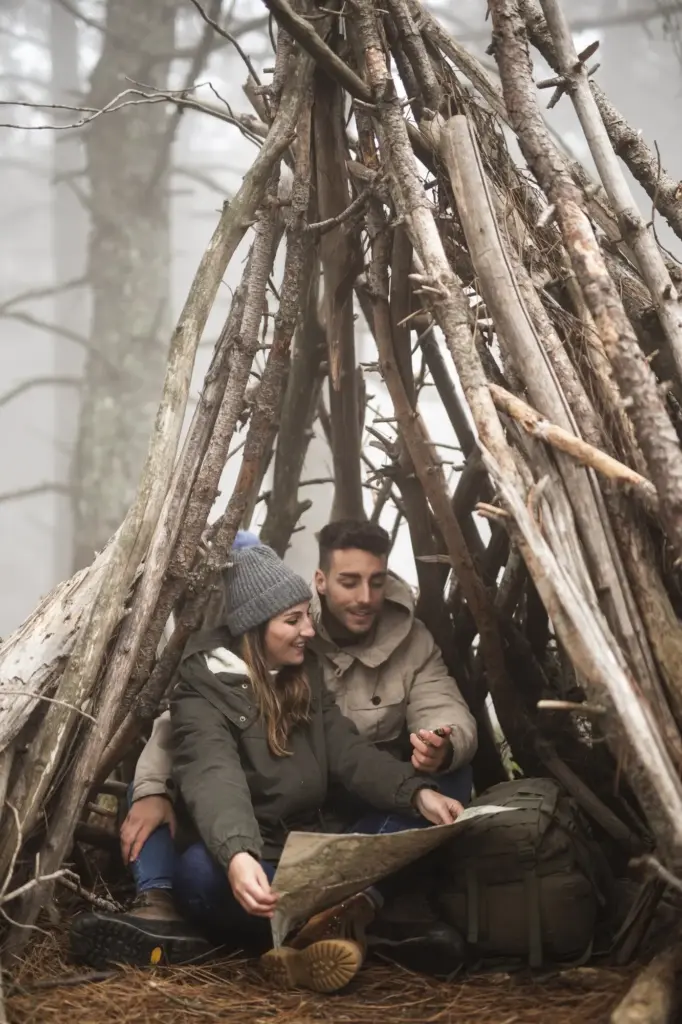
Joinery here prizes restraint: wood asked to do what wood does happily. Pegged mortise-and-tenon connections, gently shouldered, invite seasonal motion without surrendering strength. Frames are rehearsed on the ground, tested, numbered, then raised among neighbors with jokes, soup, and careful eyes. The goal is not spectacle; it is fit, drainage, and grain alignment, so decades later a knock still sounds like a bell, warm and confident.

Mortise-and-Tenon with Alpine Nuance

Housings relieve crushing, drawbored pegs pull joints tight, and cheeks register alignment so braces truly brace. End grain is sheltered, never left to sip rain. When spruce dries, pins grip harder; when storms lean, triangles awaken. Carpenters here learn to subtract as much as add, paring until the shoulder kisses perfectly. It is choreography you can feel, where every shaving on the floor explains the next decision.

Rafters, Purlins, and the Snow-Ready Roof

Snow loads invite steeper pitches, stout purlins, and well-tied collars, while valleys and dormers stay humble to avoid drift traps. Eaves extend to spare walls and open to ventilate, letting warm air escape without inviting storms inside. When larch shingles or stone slabs arrive, the frame already knows their weight and temperament, welcoming them like reliable neighbors rather than burdensome guests, turning winter from threat into ritual steadiness.

Roofs, Floors, and Details That Age Gracefully

Weighty stone slabs tame wind and ember, asking for stout framing and thoughtful fastening. Larch shingles, lighter and musical in rain, prefer ventilation paths and steady replacement routines. Both belong here, depending on altitude, forest, and quarry. Flashings are modest, valleys clean, and penetrations rare. When storms pass, these roofs dry without sulking, announcing another winter handled with grace rather than anxiety, one drip at a time.
If floors can exhale, rooms stay kind. Lime-stabilized earth, carefully compacted with capillary breaks, offers a quiet spring underfoot and partners beautifully with radiant warmth. Lime plasters cushion stone, managing humidity with small, merciful adjustments. Pigments stay mineral and honest. Corners invite brooms rather than traps. Daily sweeping becomes care, not penance, and the smell after rain feels like a chapter returning to its rightful paragraph.
Wooden windows, tuned to their openings, seal with wool felt and wisdom. Shutters close early on storm evenings, sparing glass and temper. Linseed oil paints drink in sunlight, not plastic gloss, flexing through the years. Drip grooves, sill horns, and snug hardware keep assemblies lively yet calm. Repair remains possible with a knife and patience, so future hands can intervene kindly, continuing a lineage instead of starting a landfill.

People and Places: Field Notes from Bohinj to Bovec

Craft survives through names, paths, and soup bowls. In Bohinj, Radovljica’s workshops, Trenta’s bright river turns chisels reflective, while Bovec remembers the 1998 earthquake and the solidarity it stirred. Stories reveal why decisions last: who held the ladder, who sharpened quietly at dawn, who thanked the tree before felling. These valleys archive knowledge not in manuals but in sleeves, gestures, and the hush after good work ends.

Learning, Caring, and Joining In

If you feel your palms lift at the sound of a mallet or the scent of fresh slaked lime, you already belong. Start small, ask large, and let mistakes be teachers, not judges. We share reading lists, workshop notes, and travel sketches so curiosity can become competence. Subscribe, write back, or send photos of a puzzling joint. Together we can keep these valleys’ kindness available to future homes elsewhere.

Practice Pathways: Workshops, Guilds, and Site Days

Look for short apprenticeships with village masons, timber framers who welcome volunteers on raisings, or conservation labs testing traditional mortars. Bring steel-toed humility and a notebook. Learn to sharpen before you swing. Swap labor for lessons and cook a communal lunch. Document failures kindly. Real progress arrives through repetition and shared weather, not certifications alone, and a good mentor will critique your joints while saving your confidence.

Care and Conservation without Compromise

Maintenance honors original intent: breathable repairs, reversible fixes, and materials that age in company with neighbors. Avoid sealants that trap sorrow. Track moisture rather than merely painting over it. Touch wood annually with oil and gratitude, revisit flashing after big winds, and keep gutters dignified. Small habits postpone big emergencies. When intervention grows complex, invite a conservation professional who listens to building history before proposing modern bravado.

Your Turn: Share Stories, Questions, and Sketches

Tell us where you met a noble wall or a forgiving beam. Ask about lime putty timing, shutter hinges, or rafter sizing for heavy snow. Share sketches, site dilemmas, or photos of end grain. We reply with field notes, sources, and introductions. Subscribe for seasonal checklists and little audio walks through workshops. This is a long conversation, best carried by many voices, gentle disagreements, and the courage to begin.

Pirakaronexo
Privacy Overview

This website uses cookies so that we can provide you with the best user experience possible. Cookie information is stored in your browser and performs functions such as recognising you when you return to our website and helping our team to understand which sections of the website you find most interesting and useful.